Blogs / Why AI Social Media Tools Are Replacing Manual Posting With Strategic Publishing Systems
Why AI Social Media Tools Are Replacing Manual Posting With Strategic Publishing Systems
Klyra AI / January 15, 2026
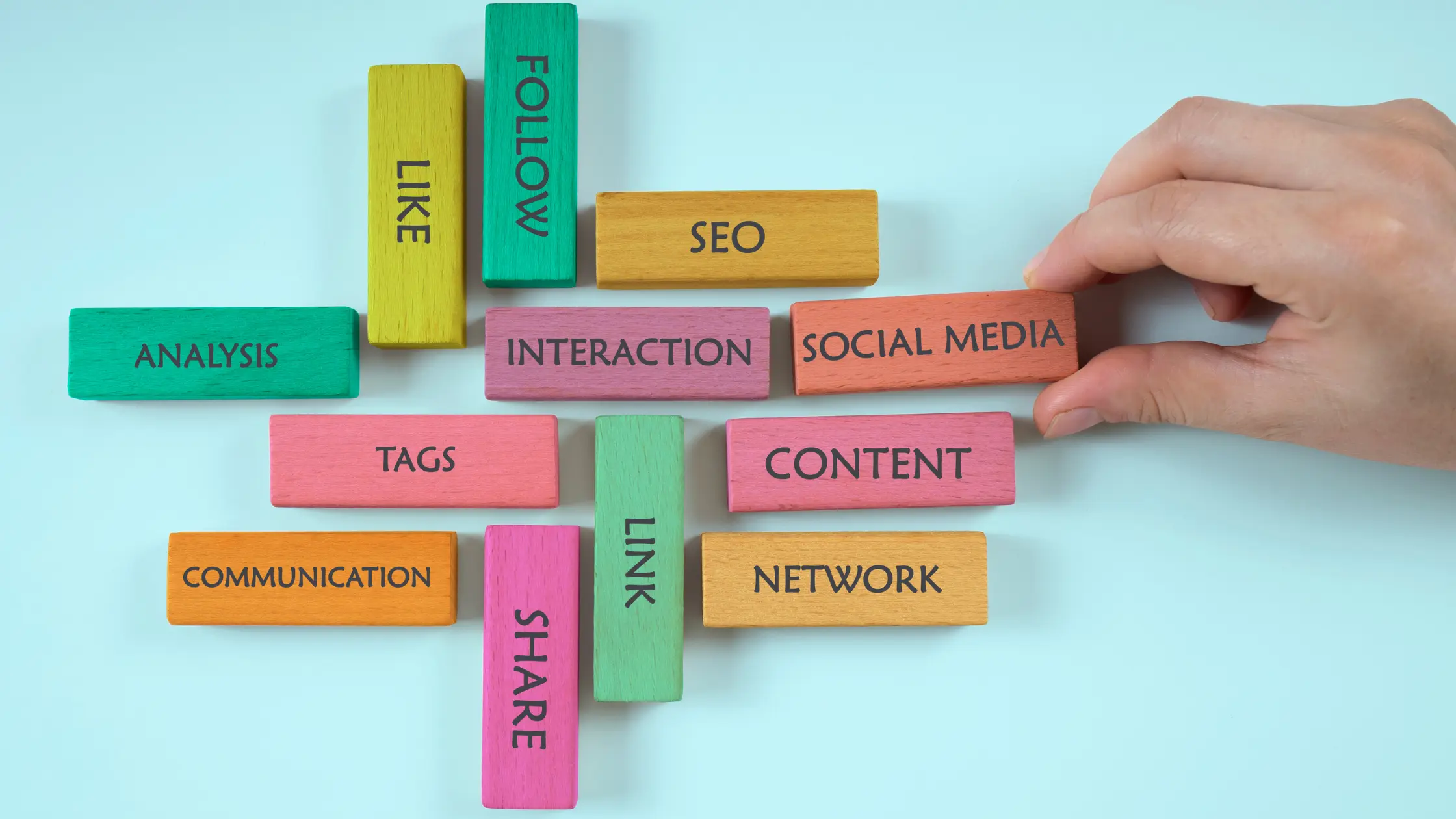
Social media has shifted from a secondary marketing channel into a primary communication layer between organizations and audiences. Brands are expected to publish consistently, respond quickly, and maintain a coherent voice across multiple platforms. At the same time, platform dynamics change constantly, increasing the operational burden on teams.
By 2026, manual social media workflows are showing clear strain. Posting ad hoc, copying content between platforms, and managing calendars in spreadsheets no longer scale. AI social media tools are emerging as the structural fix, transforming social media from a reactive task into a strategic publishing system.
Why Manual Social Media Management Breaks Down
Traditional social media management relies heavily on human keepsakes. Teams track posting schedules manually, rewrite content for each platform, and rely on intuition to decide timing.
This approach becomes fragile as volume grows. Missed posts, inconsistent tone, and uneven cadence are common. Analytics are reviewed after the fact, limiting their usefulness for planning.
The result is high effort with inconsistent returns.
What AI Social Media Tools Actually Change
AI social media tools introduce structure where there was improvisation. They unify planning, content creation, scheduling, and publishing inside a single workflow.
Instead of asking what to post today, teams work from a forward looking calendar. Content is drafted, adapted to platforms, previewed, and scheduled intentionally.
This turns social media into a system rather than a daily scramble.
From Posting Content to Managing Cadence
Consistency matters more than virality for most brands. Audiences build trust through predictable presence rather than occasional spikes.
AI tools help maintain cadence by visualizing schedules and preventing gaps or overload. Teams can see how content distributes across platforms and adjust balance proactively.
This creates rhythm, which is essential for long term engagement.
Platform Specific Context Without Duplication
Each social platform has distinct norms. Copy that works on LinkedIn often feels out of place on Instagram or X.
AI social media tools assist by adapting messaging to platform context while preserving core intent. Teams avoid rewriting from scratch without falling into copy paste traps.
This saves time while respecting audience expectations.
Previewing Before Publishing
One of the most practical advantages of modern AI social media tools is live previewing. Teams can see exactly how a post will appear on each platform before it goes live.
This reduces errors, formatting issues, and last minute fixes. Quality control shifts earlier in the process where it belongs.
Publishing becomes deliberate rather than rushed.
How Klyra AI Approaches Social Media Management
Klyra AI Social Media is designed as an all in one platform for planning, creating, previewing, and scheduling posts across major social networks.The tool combines AI assisted copy generation with media uploads, platform specific previews, smart scheduling options, and a visual content calendar. This allows teams to manage publishing cadence from a single dashboard.
Reducing Cognitive Load for Teams
Social media management is often fragmented across tools. One for writing, another for scheduling, another for tracking.
AI driven systems consolidate these steps, reducing cognitive overhead. Teams spend less time managing tools and more time refining messaging.
This shift improves both efficiency and creative quality.
Human Strategy Still Leads
AI does not decide what a brand should say. It supports execution.
Successful teams use AI social media tools to enforce consistency, timing, and structure while humans define narrative, positioning, and engagement strategy.
This partnership ensures automation enhances rather than replaces judgment.
Industry Context and Evolution
Social media management has evolved alongside platform complexity. What began as manual posting now requires coordination, analytics, and compliance.
An overview of social media management as a discipline is available through Wikipedia’s reference on social media management, which explains how organizations plan and execute social strategies across platforms.
Why AI Social Media Tools Are Becoming Infrastructure
Infrastructure tools are invisible when they work. No one notices a smooth publishing cadence. They notice inconsistency.
AI social media tools provide reliability, structure, and scale. They allow teams to publish confidently without constant oversight.
As expectations rise, this capability is becoming foundational rather than optional.
The Long Term Outlook
Over time, social media workflows will become increasingly system driven. Planning horizons will extend. Publishing will be proactive rather than reactive.
AI will handle scheduling and adaptation. Humans will focus on narrative and connection.
In a crowded attention economy, AI social media tools are turning posting into a disciplined, strategic publishing operation.